
History & culture
Good to Know: Speyer
Few cities in Germany carry as much history in as small a space as Speyer. Across 15 background articles we follow the traces of some two thousand years: from Roman Noviomagus through the imperial city of the Salians and the Protestation of the Reformation to today's cathedral city on the Rhine with its roughly 49,564 inhabitants.
It begins with the water: its favorable position on the Rhine made Speyer a hub for trade and administration as early as Roman times. How the camp Noviomagus became a Roman civitas, and what testimony of that era still lies in the ground, is told by the archaeological finds from across the city.
In the Middle Ages, Speyer steps onto the European stage. Under the Salians, the cathedral rises as the largest surviving Romanesque church in the world, and the free imperial city hosts major imperial diets. In 1529 the Protestant estates formulate the Protestation of Speyer here, giving Protestantism its name. War and destruction, as in the Thirty Years' War, belong to this history as much as the dark chapters of the witch trials.
What remains is a built memory: since 1981 the Imperial Cathedral has been part of the UNESCO World Heritage, and the city's architecture tells every era along the way. To see the places themselves, head to the attractions.
Speyer in five eras
- c. 10 AD Roman beginnings The settlement history on the Rhine begins with the military camp of Noviomagus.
- 11th c. Age of the Salians Emperor Conrad II lays the foundation stone of the cathedral, the Salian burial place.
- Middle Ages Free imperial city A bishop's see, imperial diets and a center of imperial politics.
- 1529 The Protestation The Protestation of Speyer gives Protestantism its name.
- since 1981 UNESCO World Heritage The Imperial Cathedral is part of the heritage of humanity.
All background articles
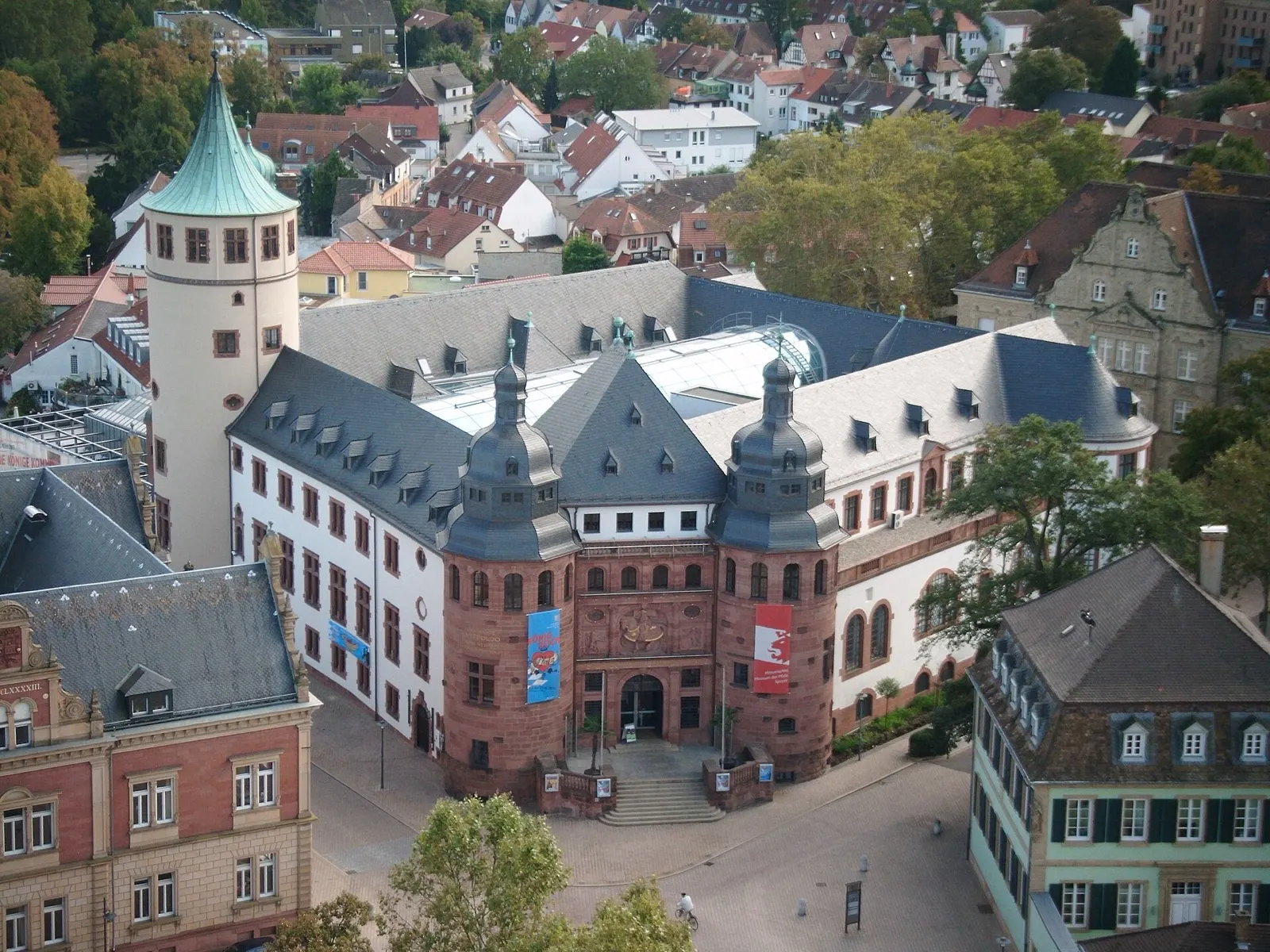
Roman Speyer - the Beginnings on the Rhine
From the military camp of Noviomagus to a Roman civitas: Speyer's beginnings as a major settlement on the Rhine.
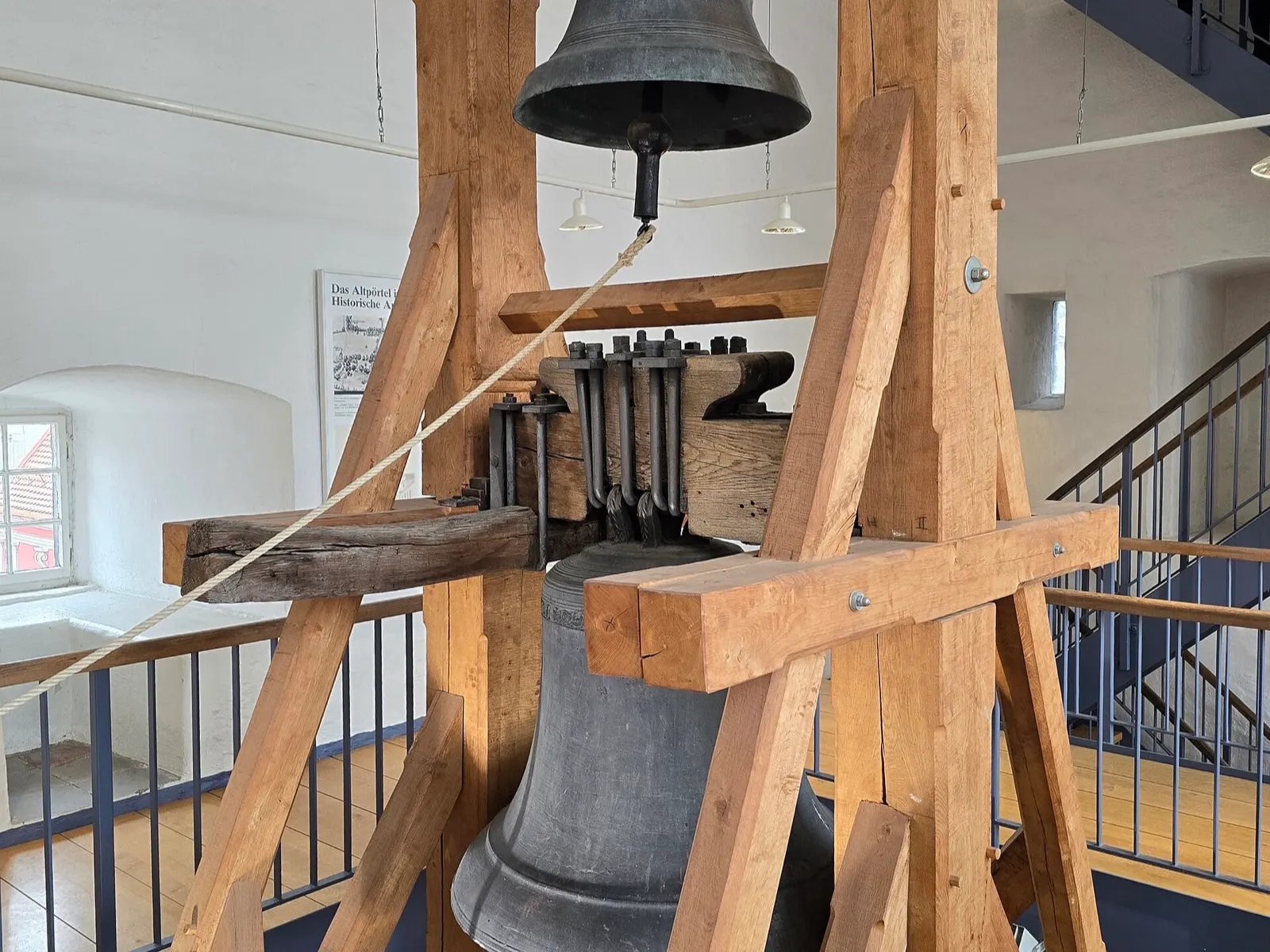
Medieval Speyer - Imperial City of the Emperors
Salians, imperial diets, witch trials: Speyer as one of the most important cities of the Holy Roman Empire.
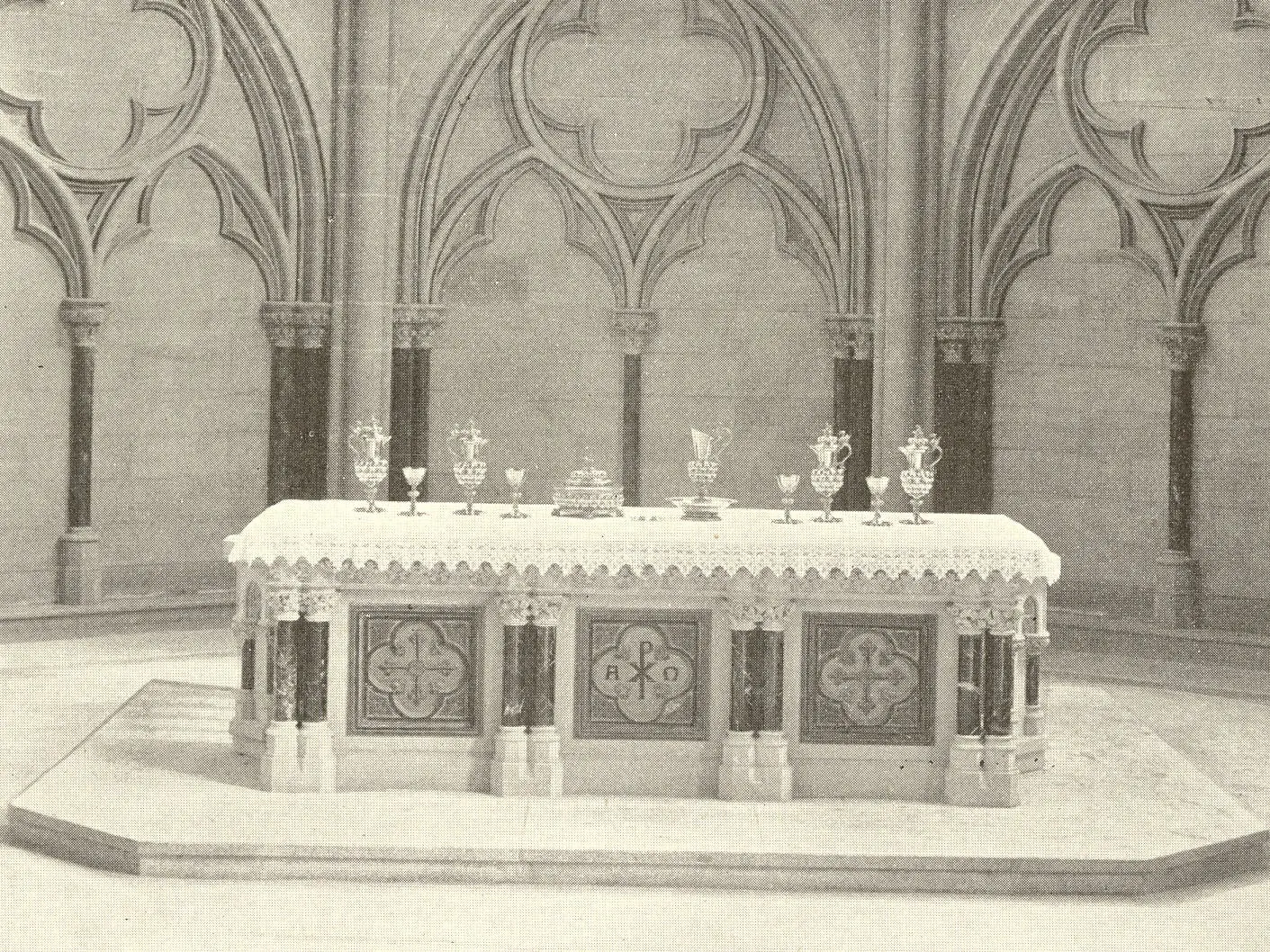
Speyer and the Age of the Reformation
The Diet of 1526 and the Protestation of 1529: how Speyer gave Protestantism its name.
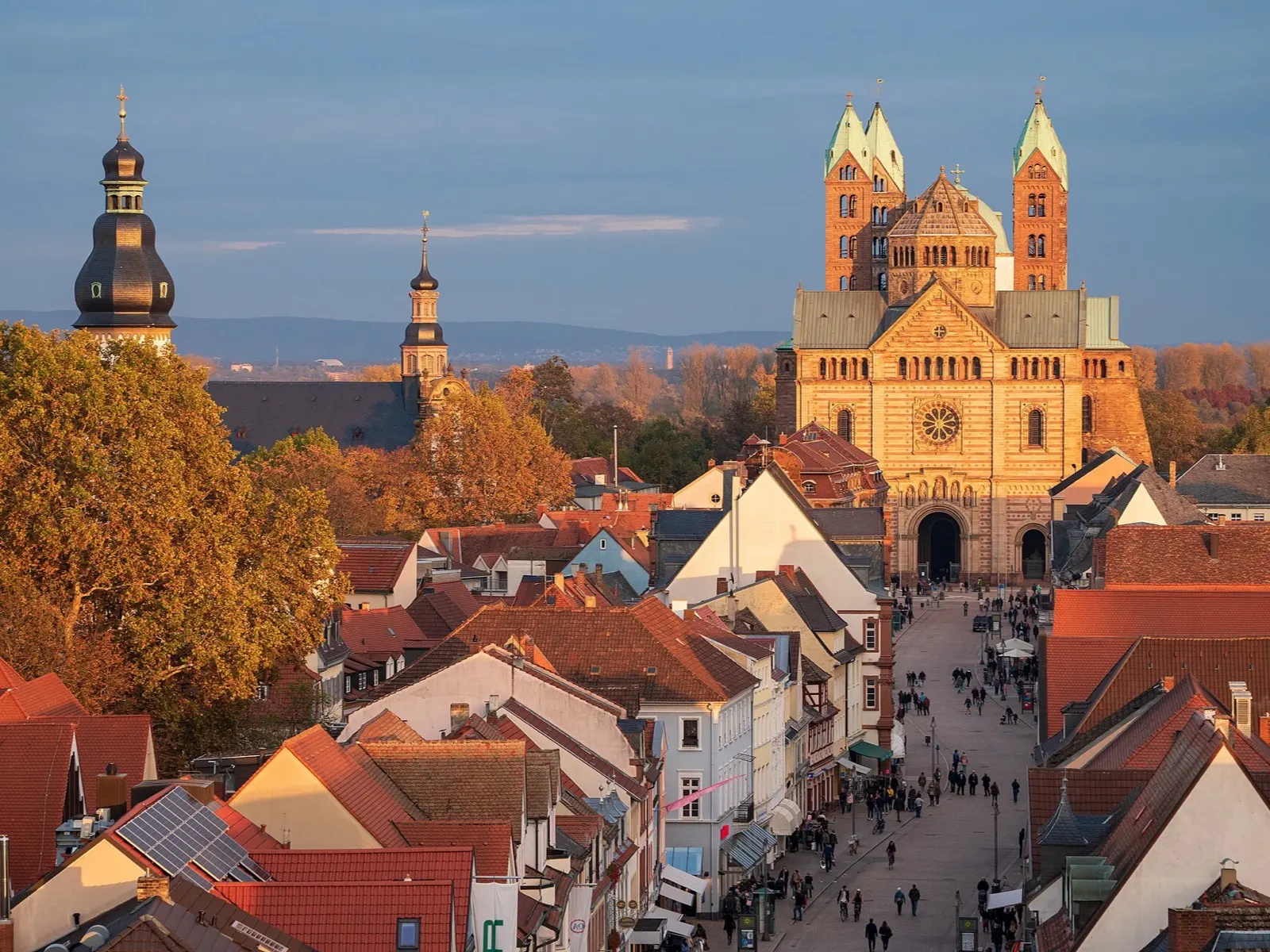
Speyer in the Thirty Years' War
Sieges, confessional conflict, population collapse: Speyer in the catastrophe of 1618-1648.
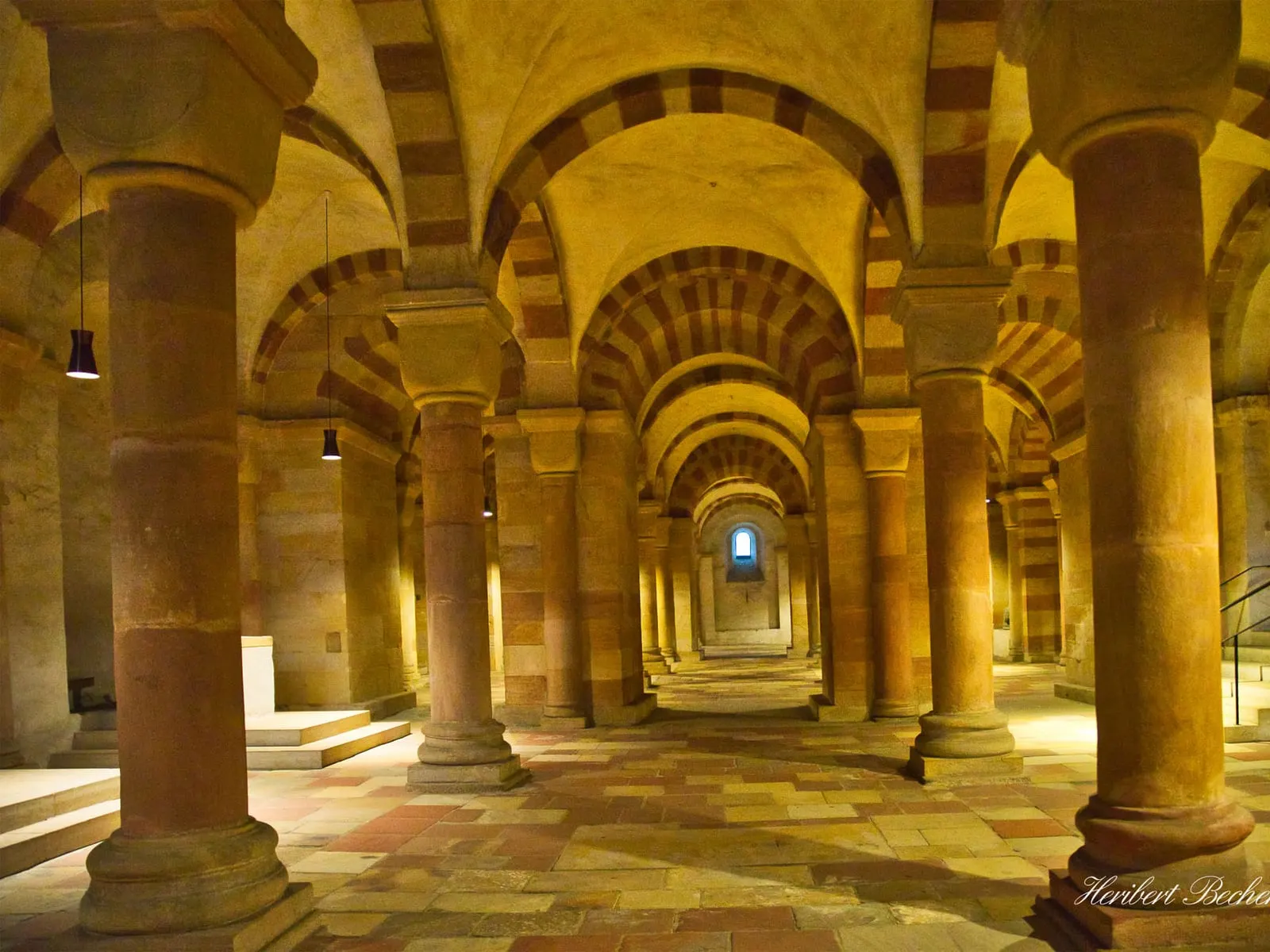
The Salians - Speyer's Imperial Dynasty
Conrad II, Henry III, Henry IV, Henry V: four Salian emperors who shaped Speyer and the Empire.
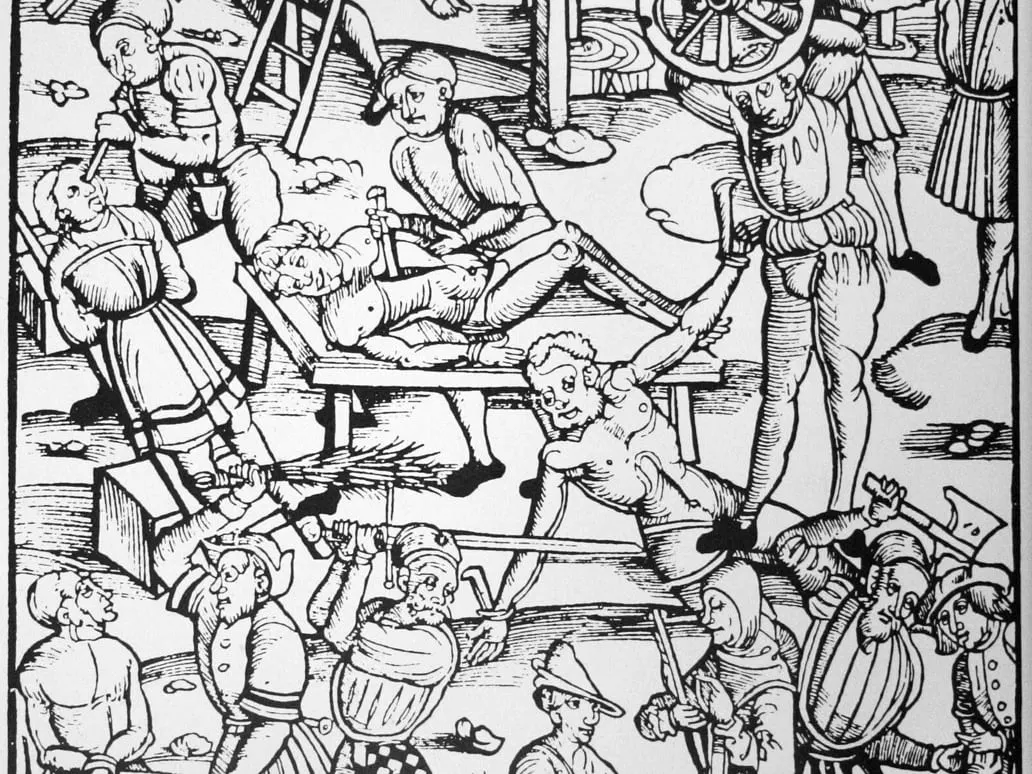 Symbolbild
The Witch Trials in Speyer
In the 16th and 17th centuries, women in Speyer too were convicted of alleged witchcraft and executed.
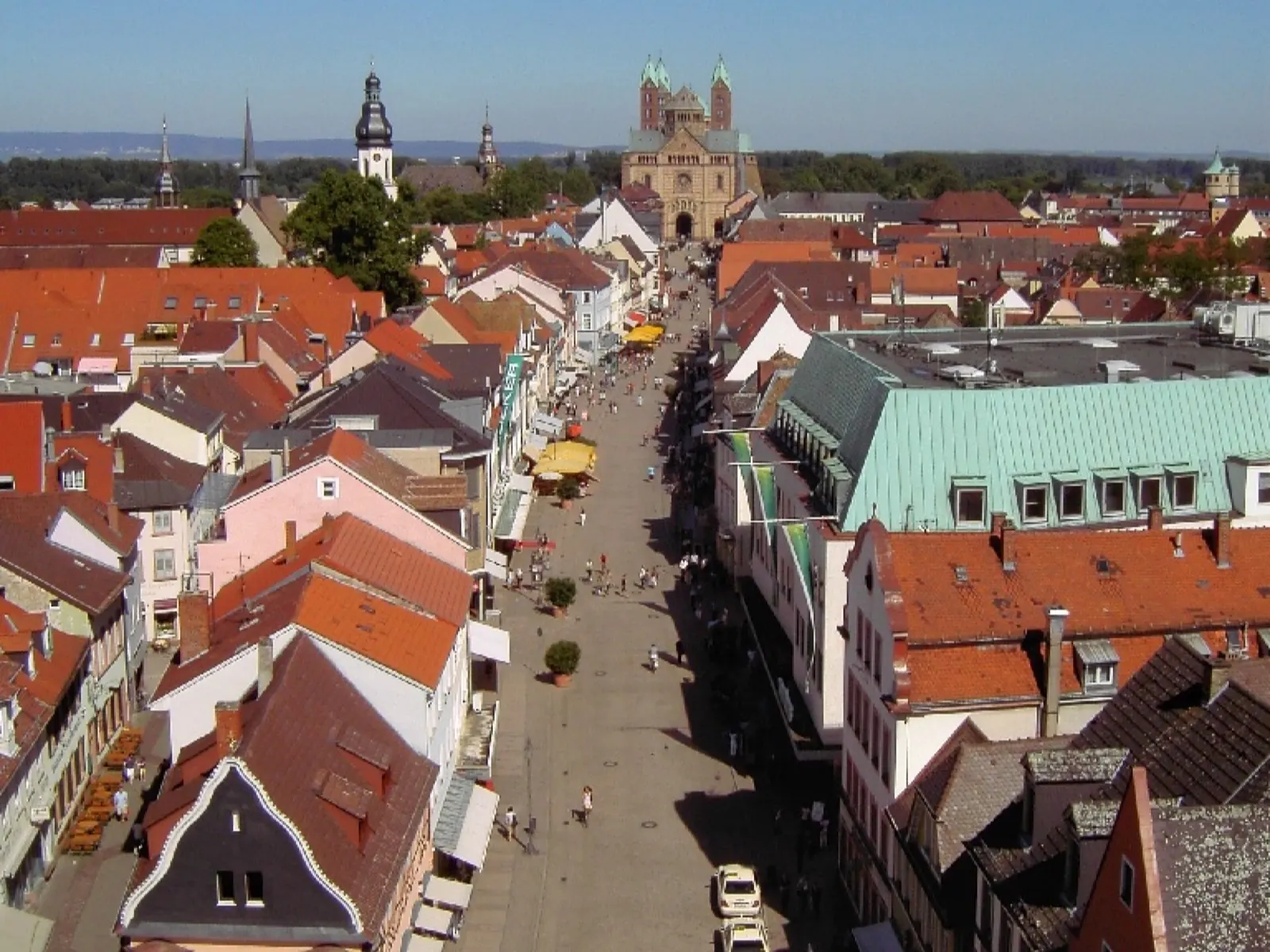
The Architecture of Speyer
From the Romanesque cathedral to Baroque townhouses and the neo-Gothic Memorial Church - 1,000 years of architecture.
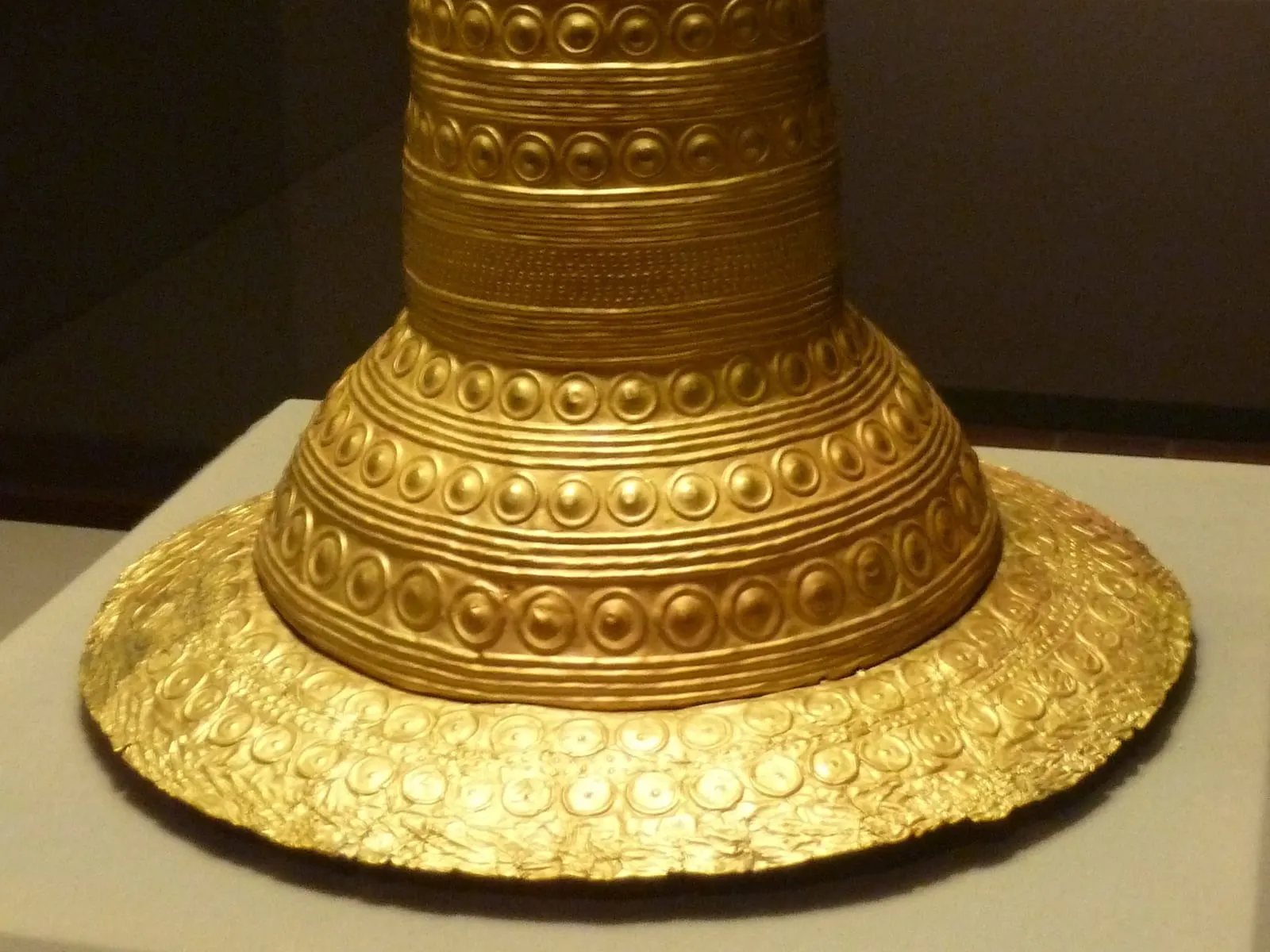
Archaeological Finds in Speyer
From a Neolithic skeleton to a Celtic princely grave: what the earth beneath Speyer keeps revealing.
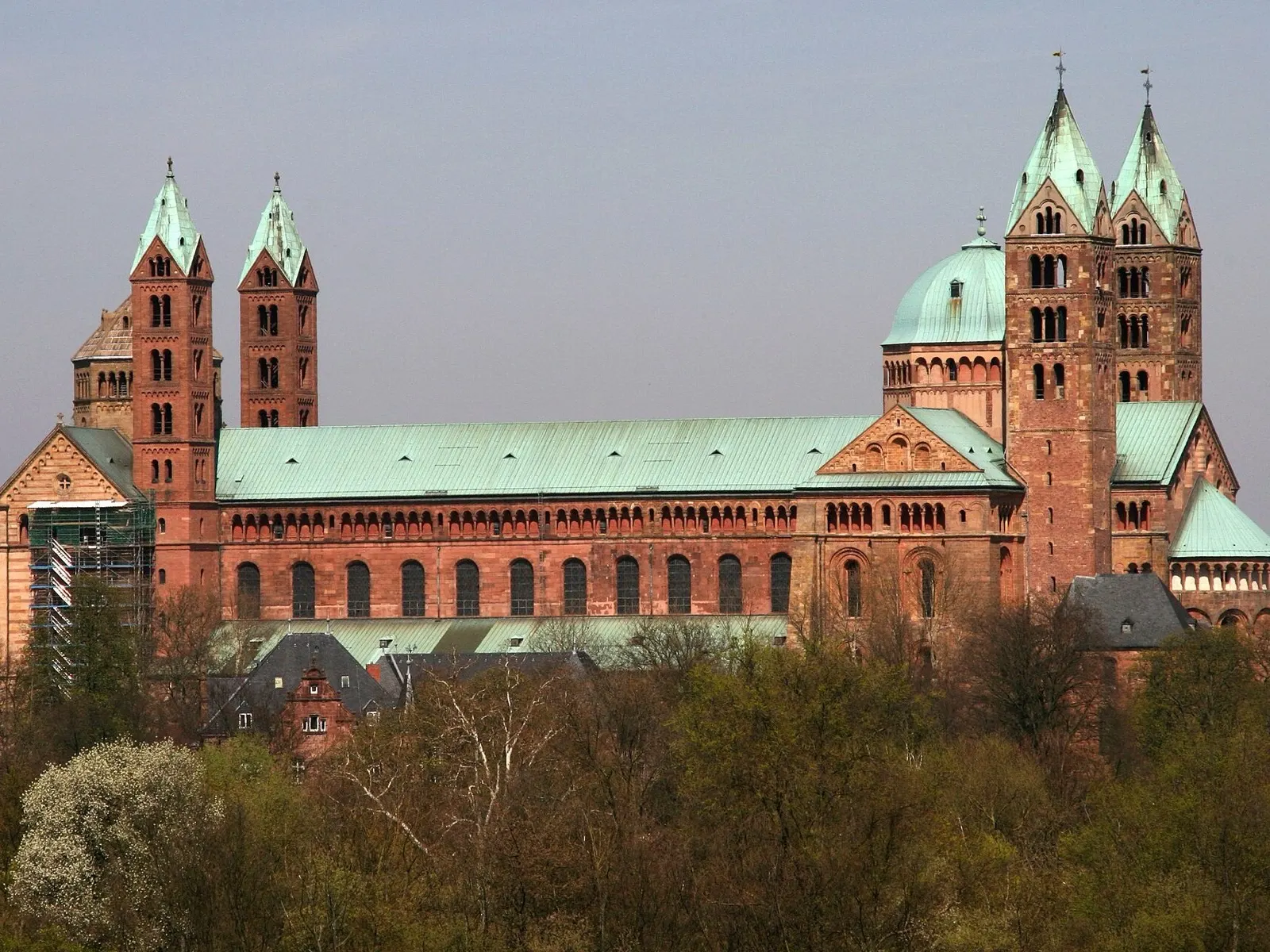
Speyer's Cultural Heritage - UNESCO and More
Twice UNESCO: the Imperial Cathedral since 1981, the ShUM sites since 2021 - and what both mean for the city.
 Symbolbild
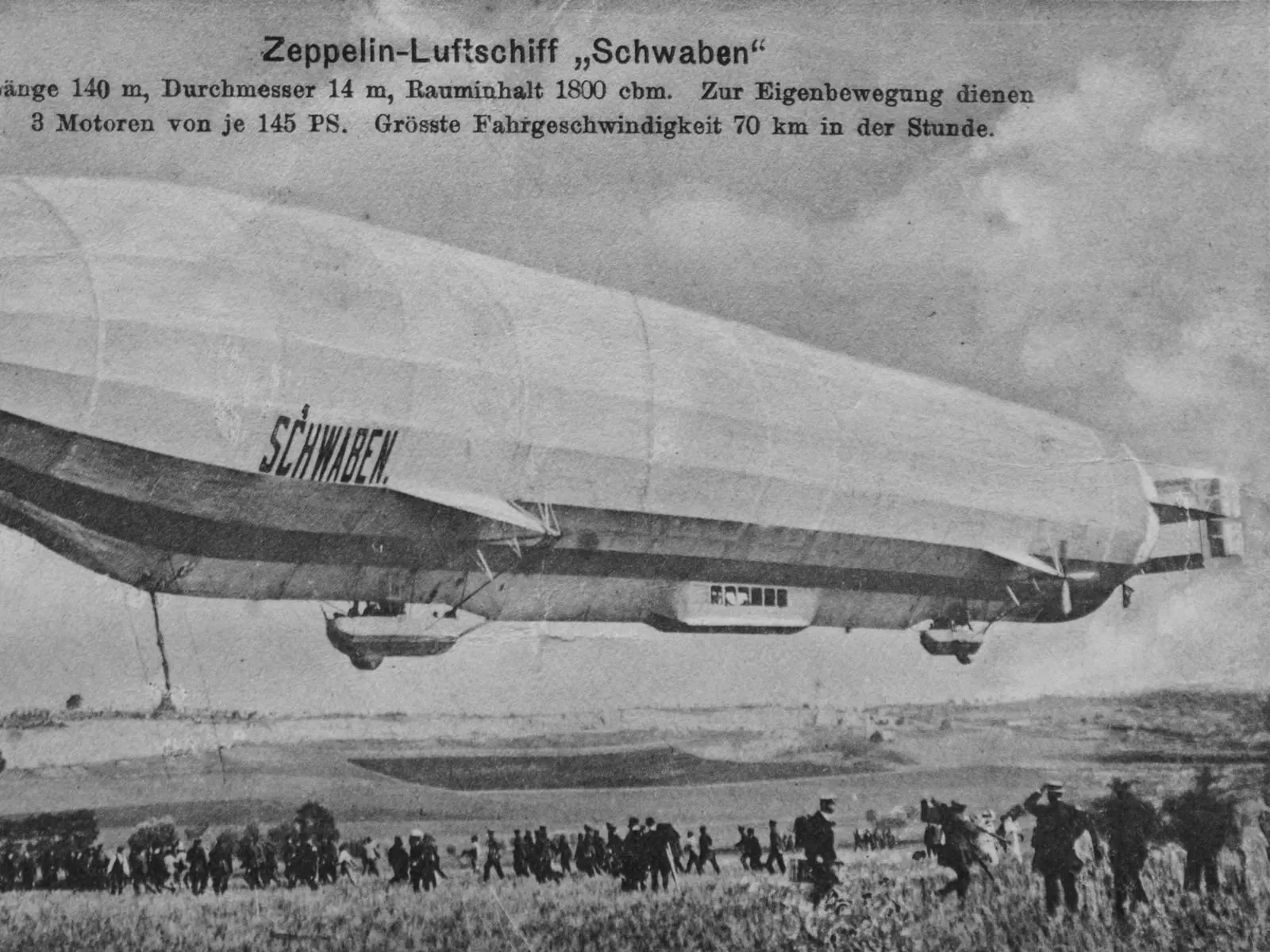
The Landing of Count Zeppelin's Airship in Speyer
A landmark event of early aviation: the Zeppelin landing in Speyer and what it meant for the city.
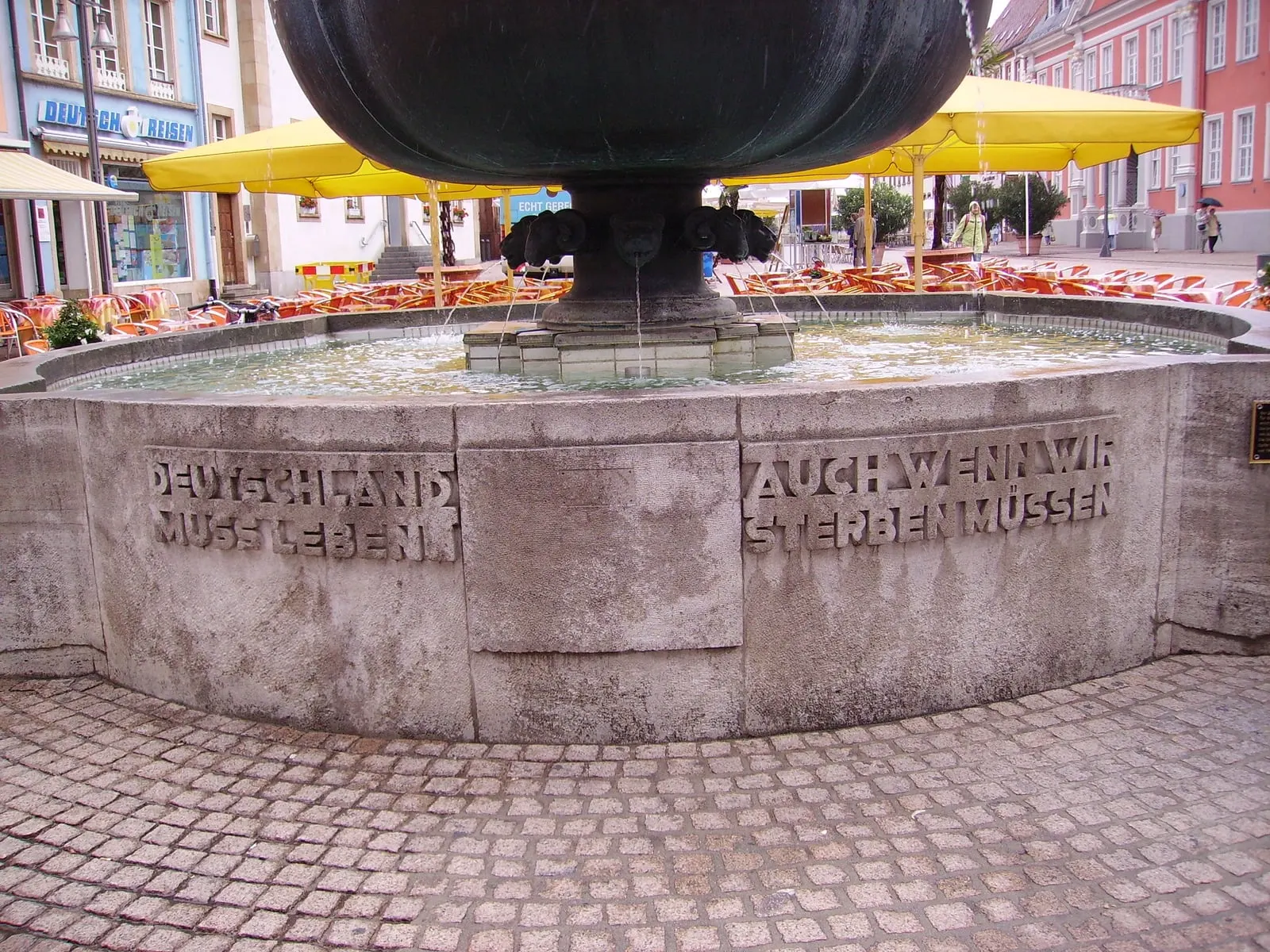
War Memorials in Speyer
How Speyer remembers the victims of the wars - and how the treatment of memorials has changed over the decades.
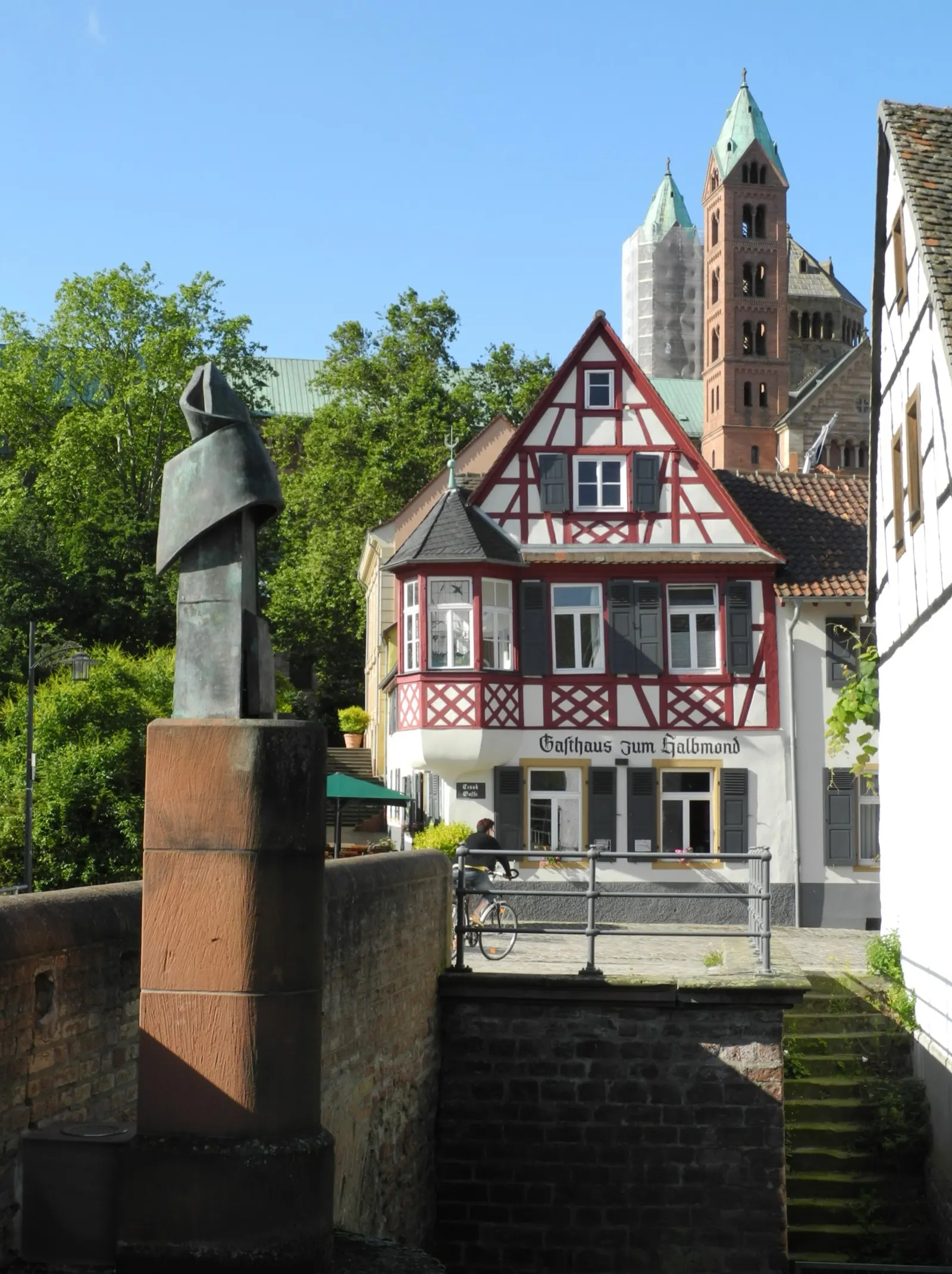
Historic Inns in Speyer
Where emperors and bishops once stopped for the night: Speyer's historic inn tradition and what survives of it.
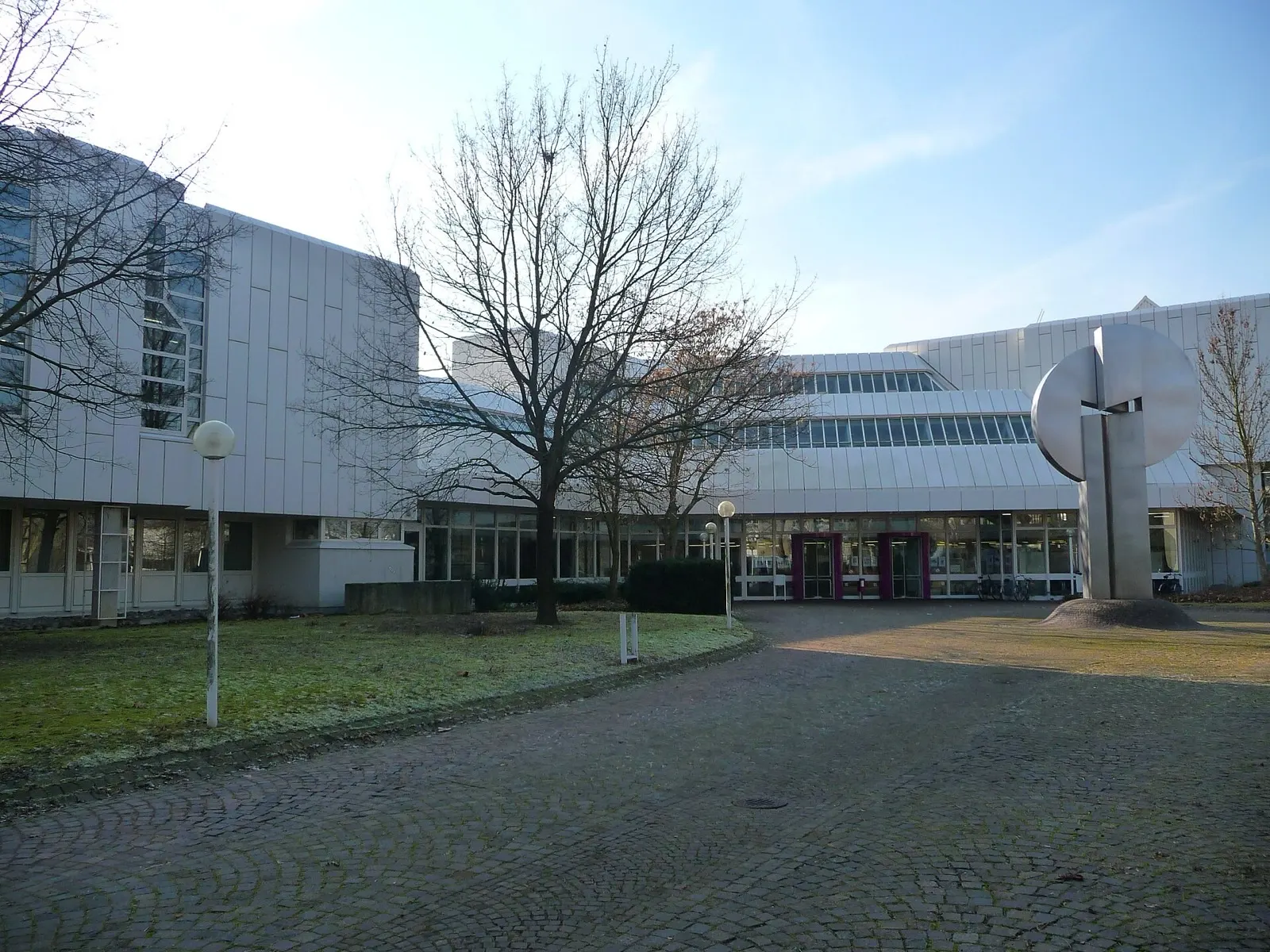
BIM - Building Information Modeling in Speyer
How modern 3D modeling helps preserve historic buildings and plan new quarters.
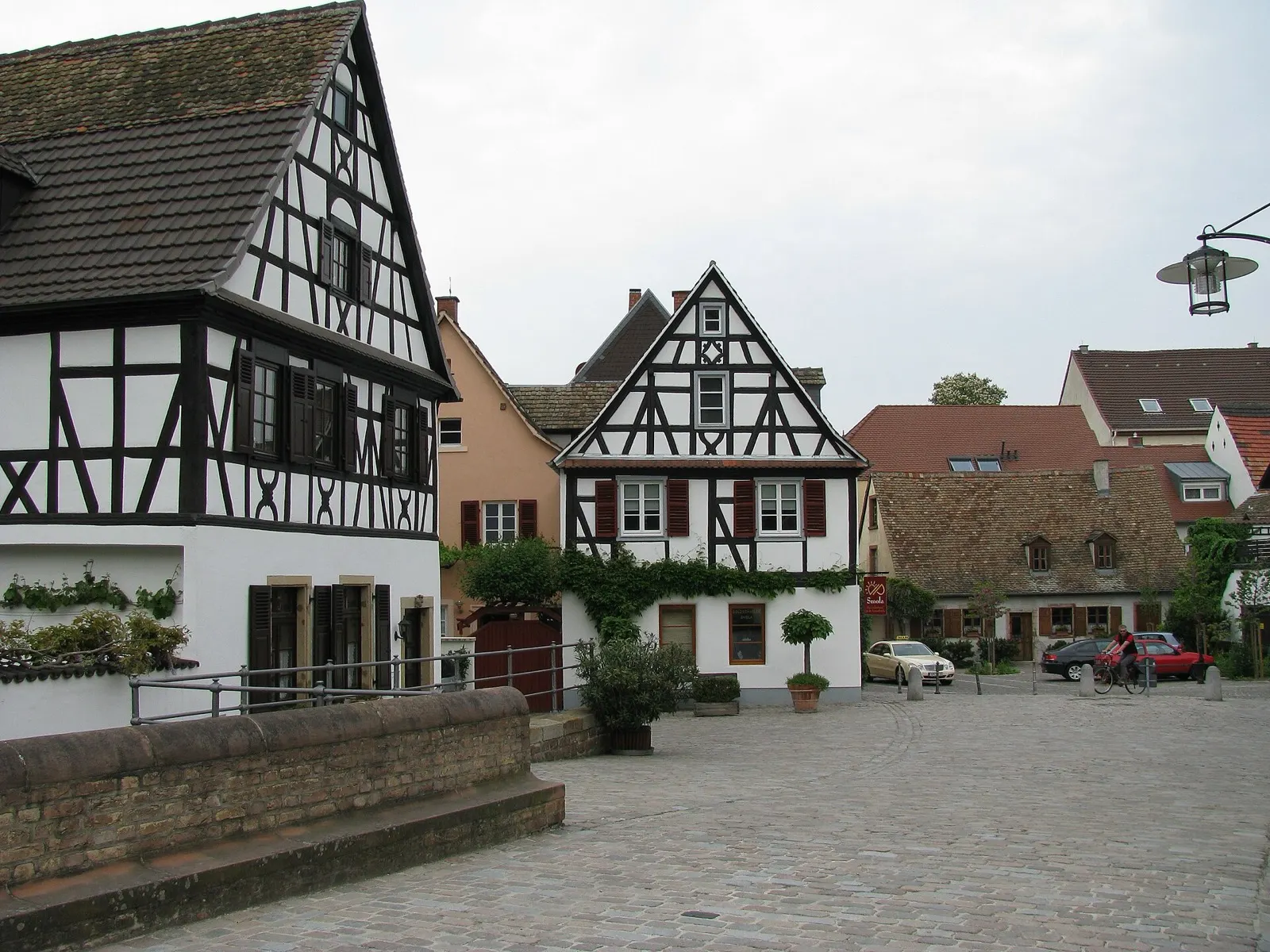
Why You Should Hire a Real Estate Agent
A guide to the property market: when hiring an agent in Speyer and the Palatinate pays off.
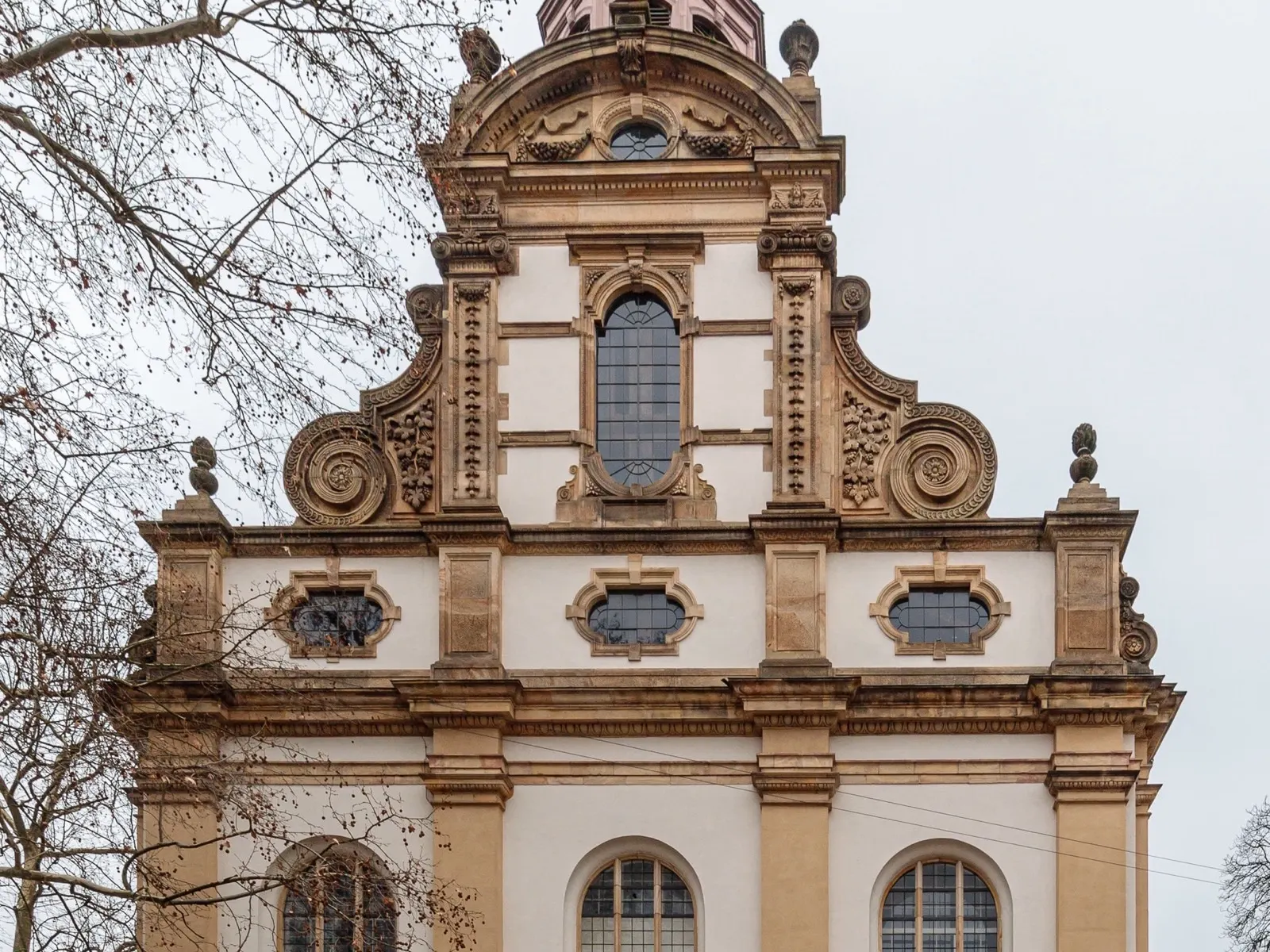
Wedding Planning in Speyer
Where to get married in Speyer, from the cathedral to the convent - and what to consider when planning.
* Tours & tickets from GetYourGuide. If you book through the markers we earn a commission, at no extra cost to you.