
Speyer begins in 10 BC with a Roman camp on the Rhine. Until the 3rd century the unfortified settlement was called Noviomagus; from the 4th century the name Spira is documented, from which today’s Speyer derives. That makes the city one of the oldest continuously inhabited places in Germany and laid the foundation for later medieval Speyer.
Noviomagus: a vicus on the Rhine
The Roman settlement was a classic vicus - an unfortified civilian settlement with crafts, trade and administration. It lay at the intersection of Rhine shipping and overland routes, which made Speyer a regional hub even then.
Archaeological excavations across the city have brought dense traces of Roman construction to light over the decades: houses, workshops, burial grounds and the remains of public buildings. The finds show an orderly settlement with temple precincts and administrative buildings.
Roman structures
The most significant Roman remains in Speyer include:
- Imperial baths: The remains of a bath complex testify to Roman bathing and social culture. Parts of the foundations are documented.
- Amphitheater: A venue for games and public performances. Only a few structures survive, but they speak to the settlement’s cultural importance.
- Burial grounds: Several Roman cemeteries have been identified within the city. The grave goods allow conclusions about the social status of the buried.
The Roman wine
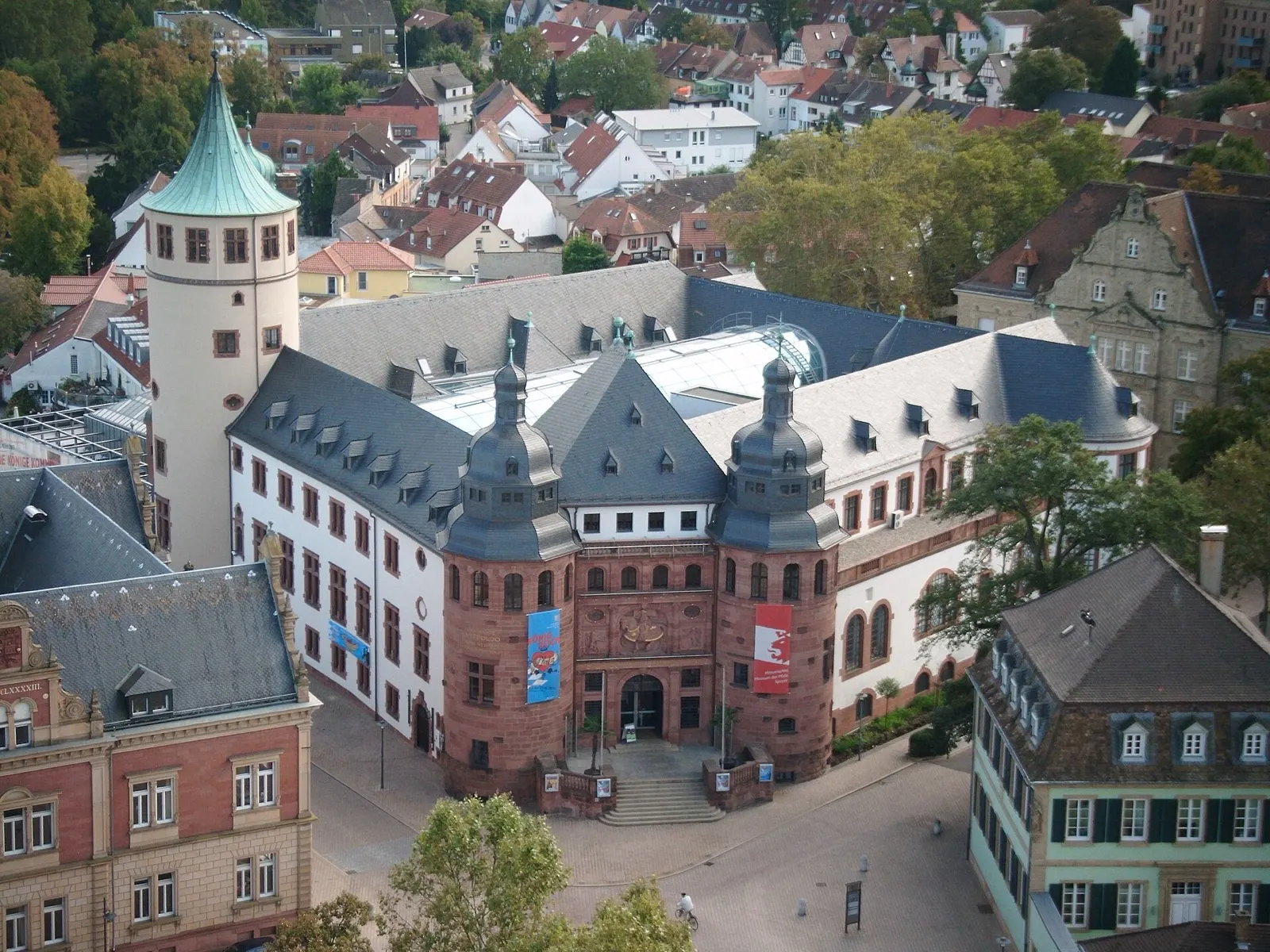
Speyer’s most spectacular Roman find sits in the Historical Museum of the Palatinate: the Roman wine of Speyer, a glass bottle from a 4th-century sarcophagus. It is considered the oldest surviving wine bottle in the world that still holds liquid content, and it is an obligatory stop on any museum visit.
The museum also displays ceramics, coins, tools and jewelry from Roman graves and houses. The collection is among the most extensive in the region.
Traces in the Old Town
Even though medieval and Baroque Speyer dominates the cityscape, archaeologists regularly hit Roman layers during construction work in the Old Town - the article on archaeological finds gives a detailed overview. Beneath today’s streets, sections of the old Roman alignments still run; foundations and mosaics surface during excavations. The Roman town wall marked the boundaries of the vicus, and individual sections are still documented.
Why the Roman era matters
The Roman period drew the land on the Rhine into a Mediterranean-influenced economic and administrative sphere. Speyer profited as a trading post on the Rhine and was shaped socially, economically and religiously. The vicus Noviomagus grew into the late antique Civitas Nemetum, which eventually became a bishop’s see and a medieval imperial city under the Salians. Without the Roman foundation, Speyer’s rise in the High Middle Ages would hardly have been conceivable.
Frequently asked questions
What was Speyer called in Roman times?
Until the 3rd century the settlement bore the name Noviomagus, from the 4th century Spira, from which today’s name Speyer developed.
Which Roman structures existed in Speyer?
Documented are, among others, a bath complex (the imperial baths), an amphitheater, temple precincts and several burial grounds. Parts have been archaeologically explored.
Where can you see Roman finds in Speyer?
The most important address is the Historical Museum of the Palatinate, with the famous Roman wine and a large collection of ceramics, coins and grave goods.
What is the Roman wine of Speyer?
A glass bottle from a 4th-century Roman sarcophagus that still contains liquid. It is considered the oldest surviving wine bottle in the world.
Are Roman remains still found in the ground today?
Yes. During construction work in the Old Town, foundations, mosaics and everyday objects from the Roman era are found regularly.
* Tours & tickets from GetYourGuide. If you book through the markers we earn a commission, at no extra cost to you.